Emergency Kit: Be Prepared for an Emergency

A fire, a severe storm, or a flood... Suddenly, the power goes out or you lose access to communication. Do you know what to do and can you act quickly? 

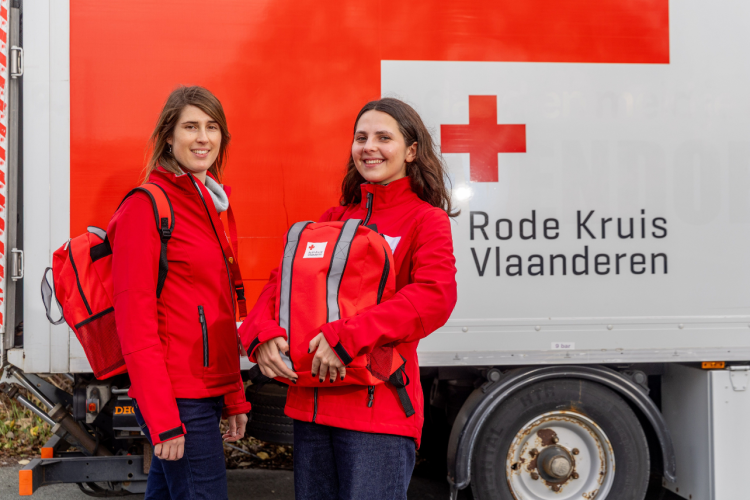
Of course, you hope it never happens to you. But if you do find yourself in an emergency, being well-prepared can be crucial. At Belgian Red Cross-Flanders , weBelgian Red Cross-Flanders better than anyone how important it is to be prepared for unexpected situations. From our years of experience providing aid during crises at home and abroad, we understand that swift action is crucial. That’s why we’ve put together an emergency kit : a well-thought-out, practical solution that helps you respond quickly in emergency situations.  

By purchasing an emergency kit from Belgian Red Cross-Flanders prepared for emergencies. You’ll be able to take care of yourself, ensure safety in your own home, and support our disaster relief efforts at the same time. Because while you’re ready to take care of yourself and your loved ones, our volunteers are standing by to help where the need is greatest. The emergency kit costs €154.95, including shipping.

Why is an emergency kit important?

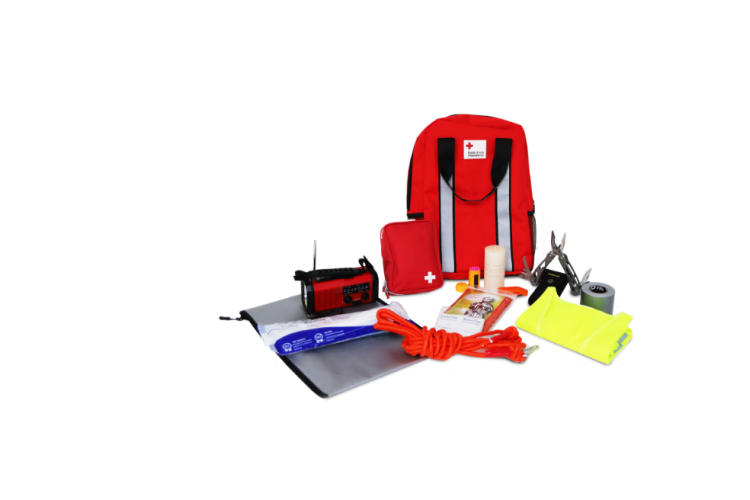
Having an emergency kit at home ensures you’re prepared to evacuate quickly, protect yourself during unexpected emergencies, or get by for a few hours without power. This emergency kit, put together by Belgian Red Cross-Flanders, meets essential needs in emergency situations. Its contents are based on the Red Cross’s expertise gained from responding to numerous conflicts and natural disasters around the world.
  • Self-reliance 
    In emergency situations, emergency services may be overwhelmed or difficult to reach. With an emergency kit, you can temporarily take care of yourself and your family without immediate outside help. 
  • Peaceofmind 
    Knowing that you’re prepared gives you peace of mind. You don’t have to panic or scramble for supplies at the last minute. 
  • Respond quickly 
    In the event of an evacuation or sudden crisis, every minute counts. A ready-to-go emergency kit ensures you can act quickly. 

Emergency kit from Belgian Red Cross-Flanders: what's inside?

First Aid & Hygiene

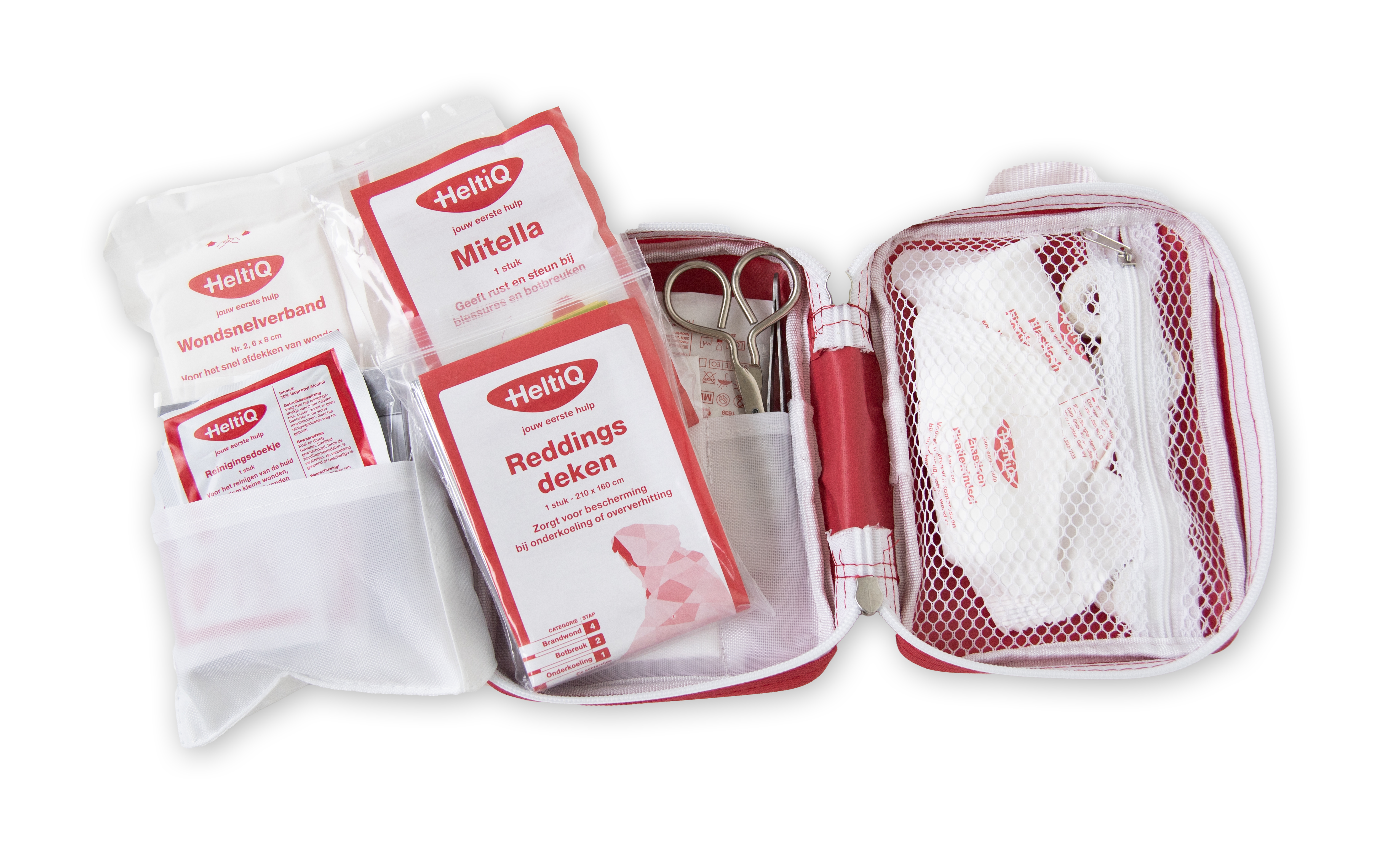
  • First aid kit
    • 2 small gauze pads
    • 2 medium gauze pads
    • 1 pair of disposable gloves
    • 4 wound-cleaning wipes  
    • 1 elastic fixation bandage  
    • 1 adhesive bandage
    • 6 small adhesive strips
    • 6 medium adhesive strips
    • 1 pair of scissors
    • 1 splinter tweezers
    • 2 finger bobs
    • 1 band-aid
    • 1 elastic fixation bandage
    • 1 non-adhesive wound dressing
    • 1 quick-change wound dressing
    • 1 triangular bandage
    • 1 emergency blanket
    • 6 wound closure strips (to be used only by a nurse or doctor)

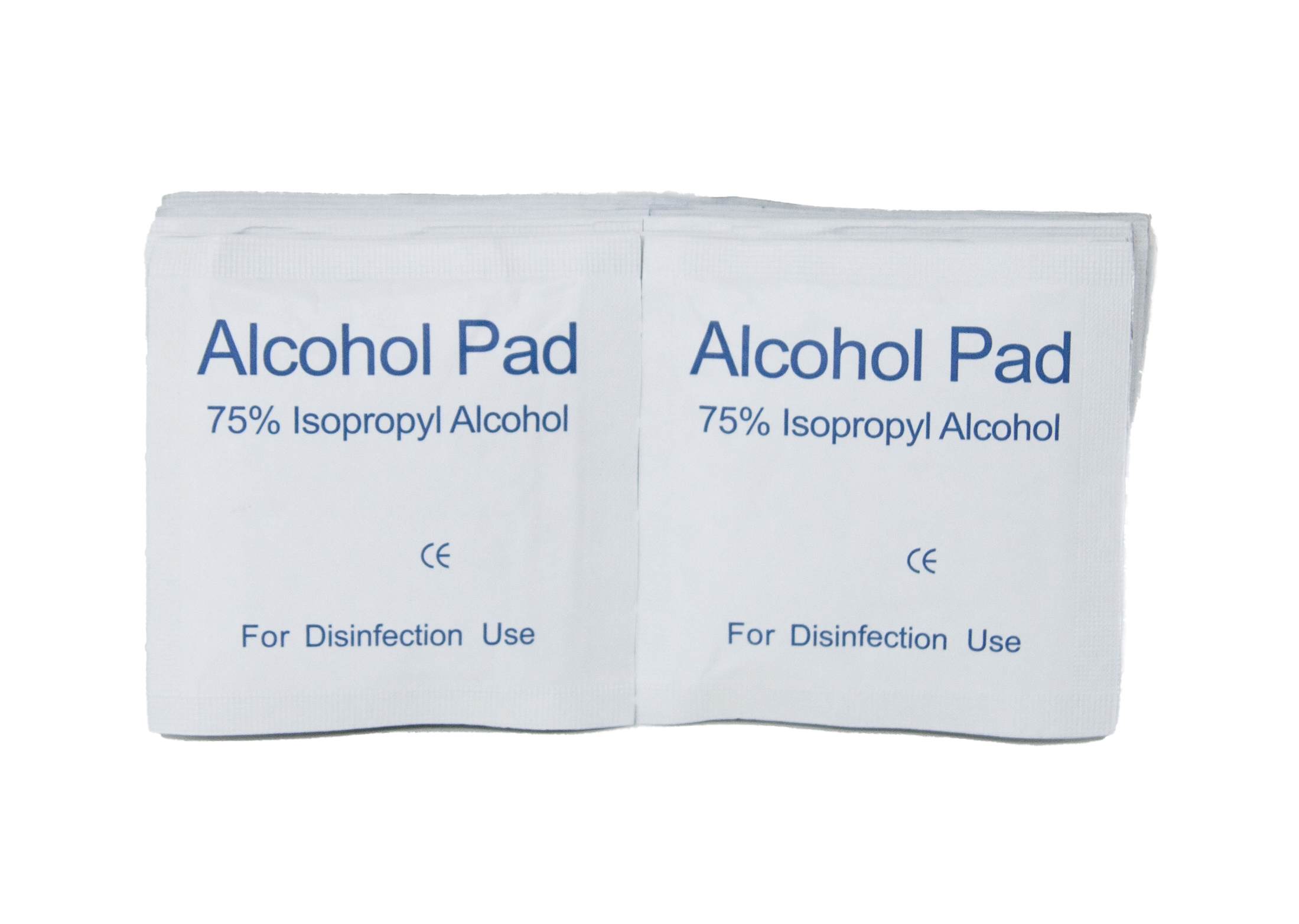
  • 20 disinfectant wipes (75% alcohol): antibacterial and disinfecting, suitable for hands and various surfaces.

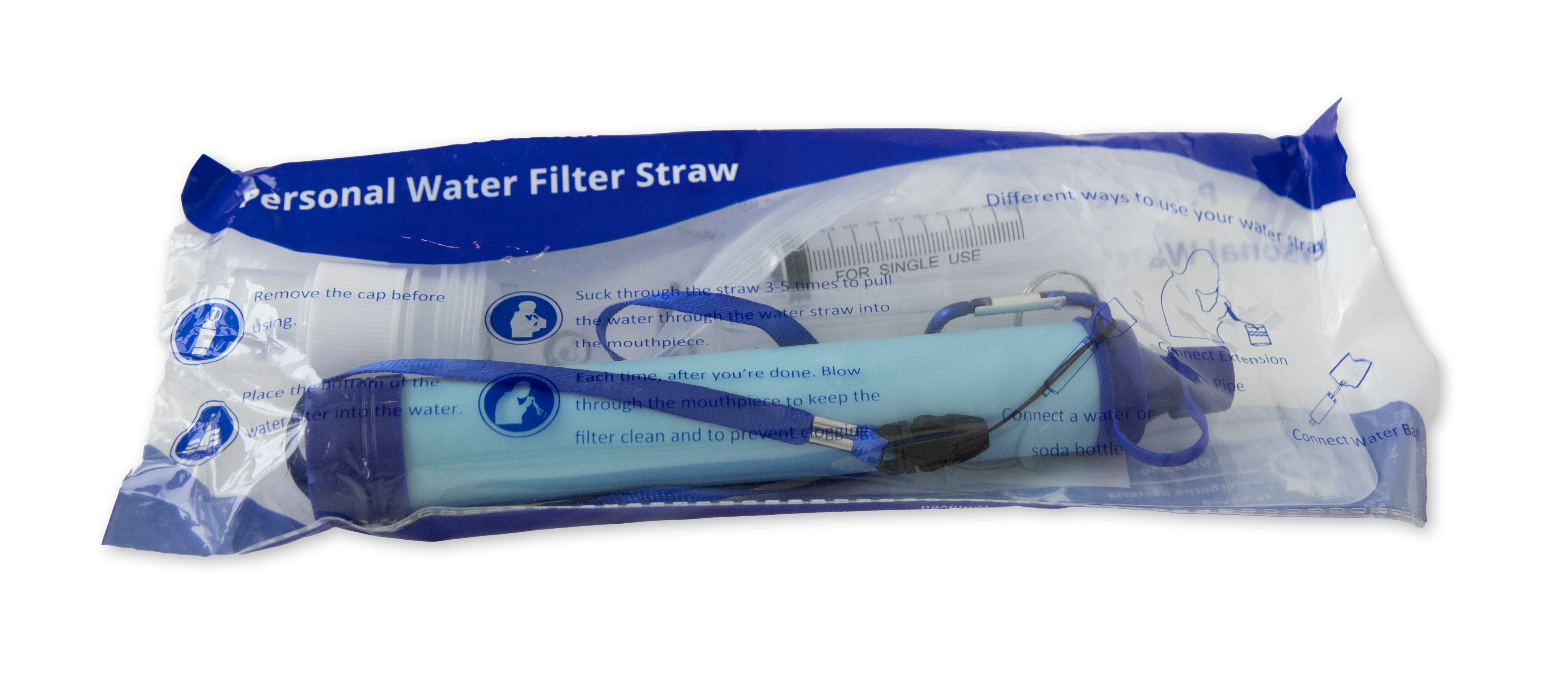
  • Water filter: can filter up to 1,500 liters. In emergency situations where access to clean water is limited, the filter can provide you with drinking water by removing impurities and contaminants from the water.

Tools & Materials

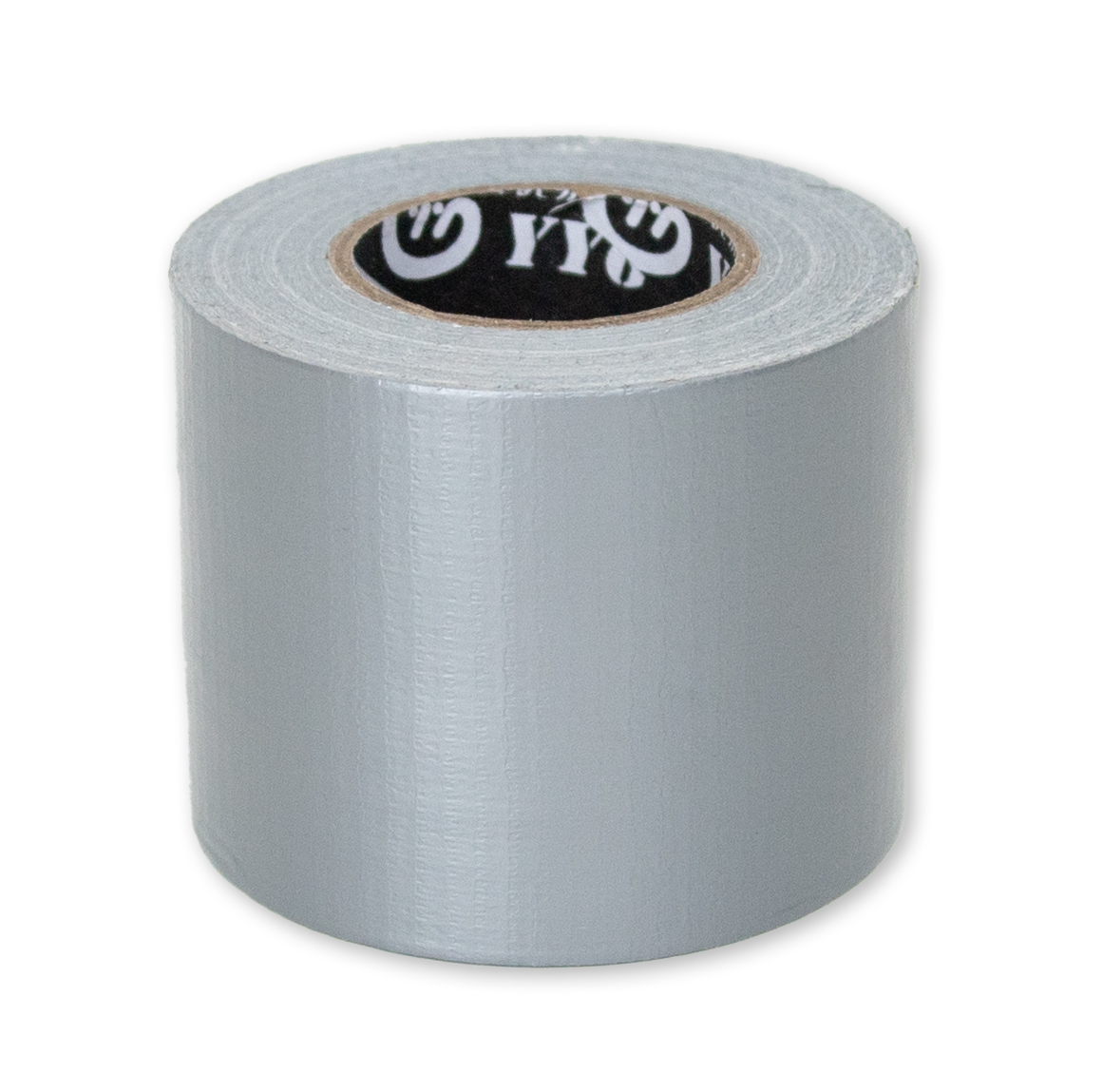
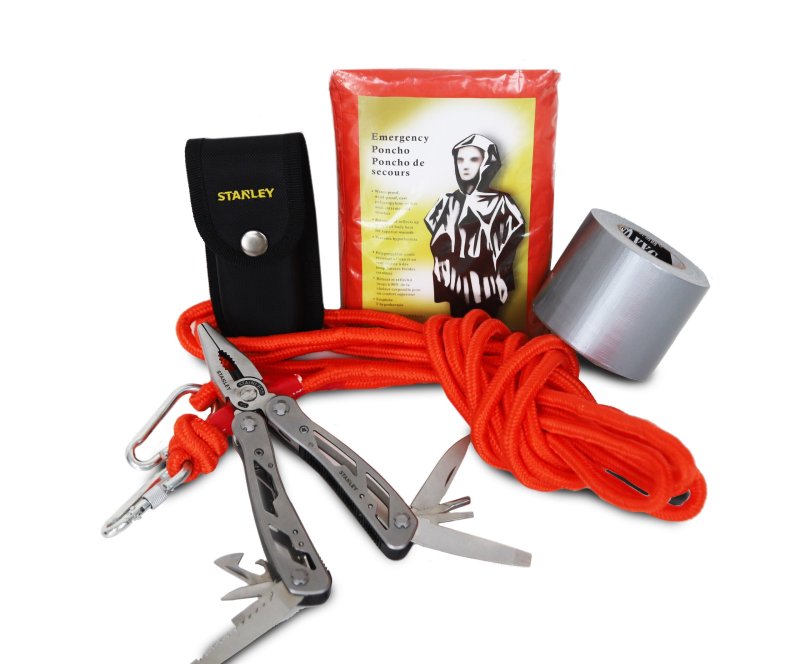
  • Waterproof tape. Ideal for temporarily repairing items or sealing leaks. 

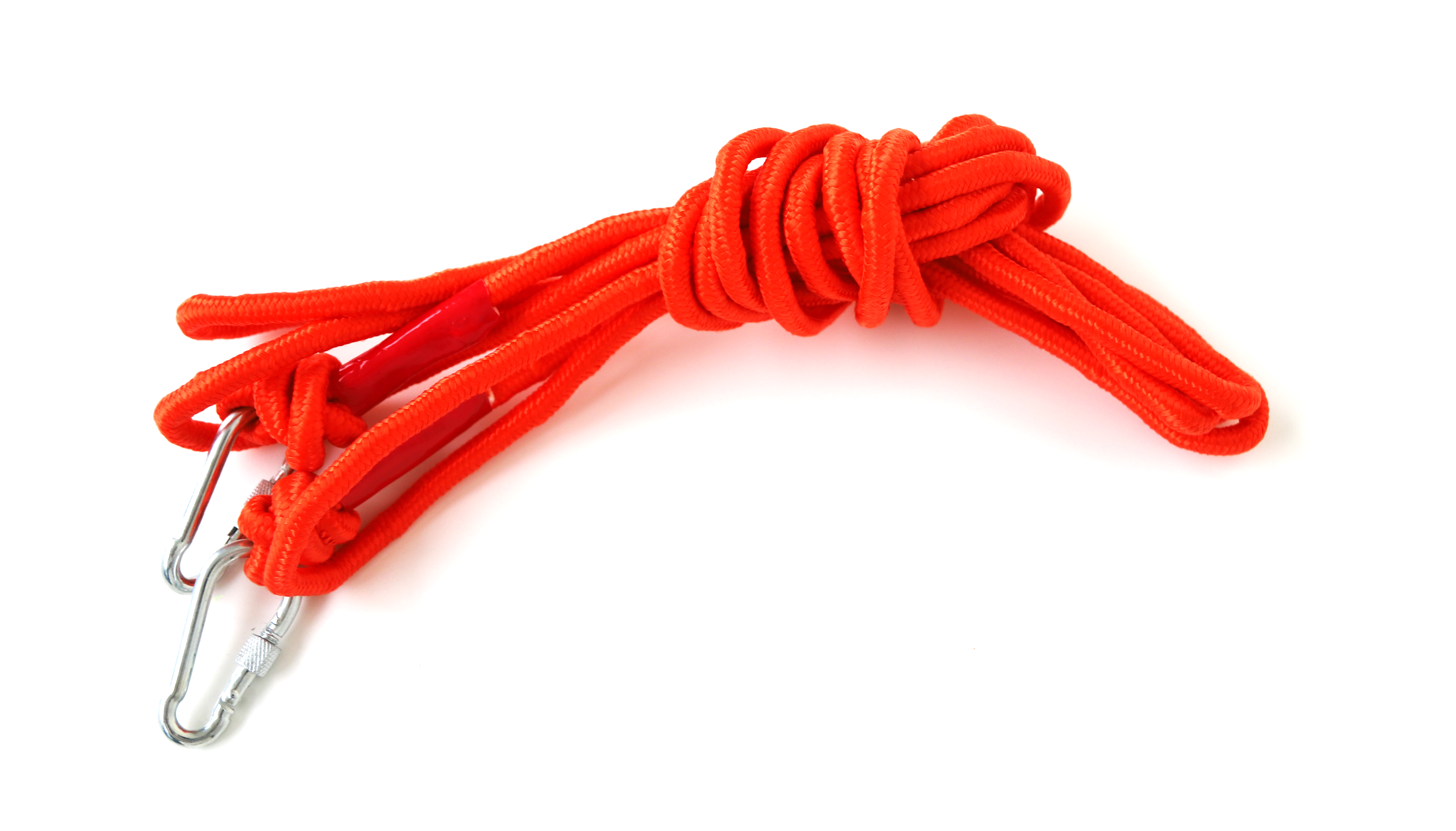
  • Safety rope with 2 metal hooks (5 meters). This sturdy rope is extremely versatile. It can be used to secure your most important belongings during stormy weather, or to keep doors and windows shut in the event of damage or instability.


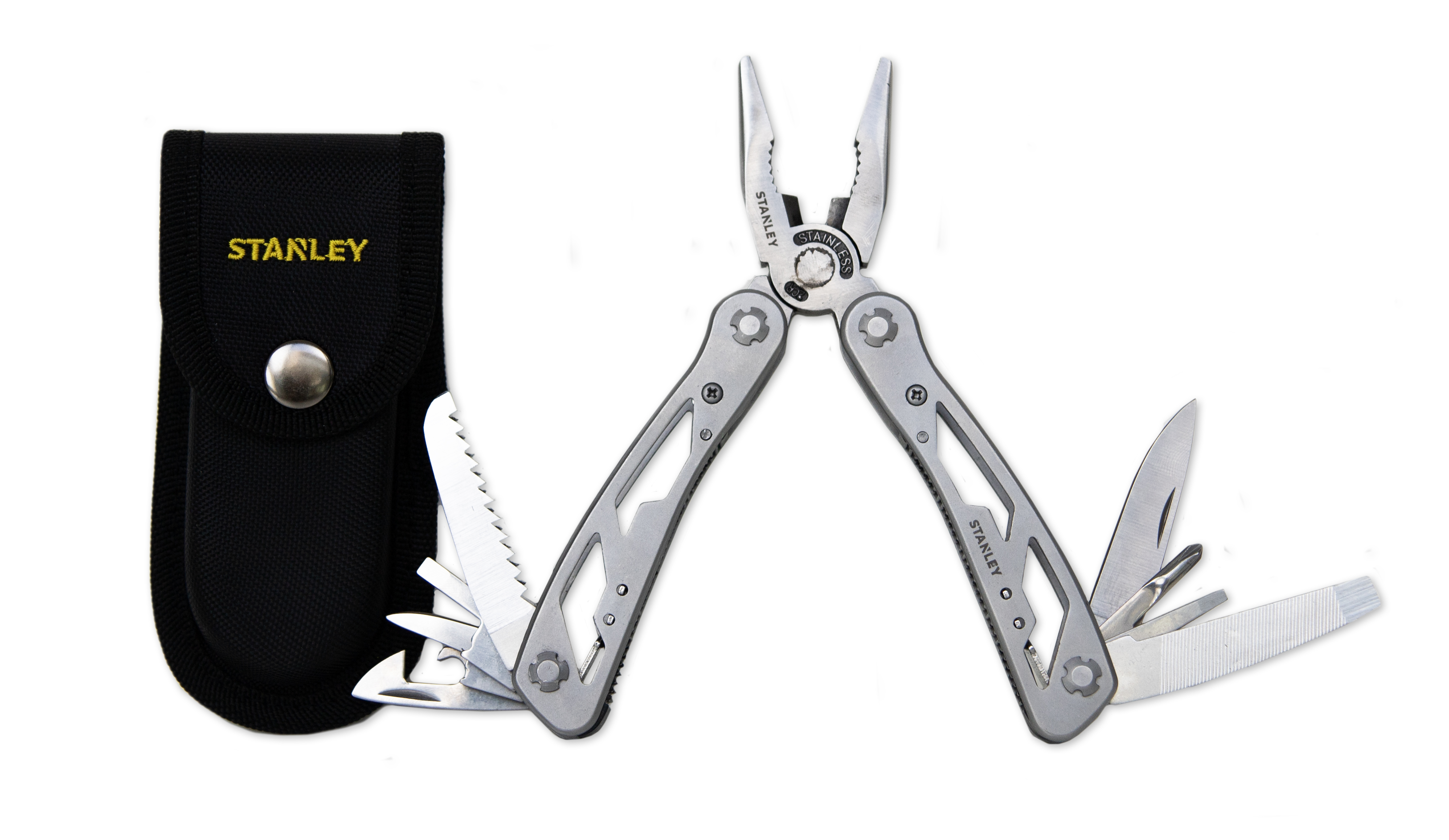
  • Stanley 12-in-1 Multi-Tool, with storage pouch. An all-in-one tool: combination pliers, wire cutter, saw, pocket knife, large knife, bottle opener, screwdriver (3mm / 6mm / 8mm / PH1), file. 

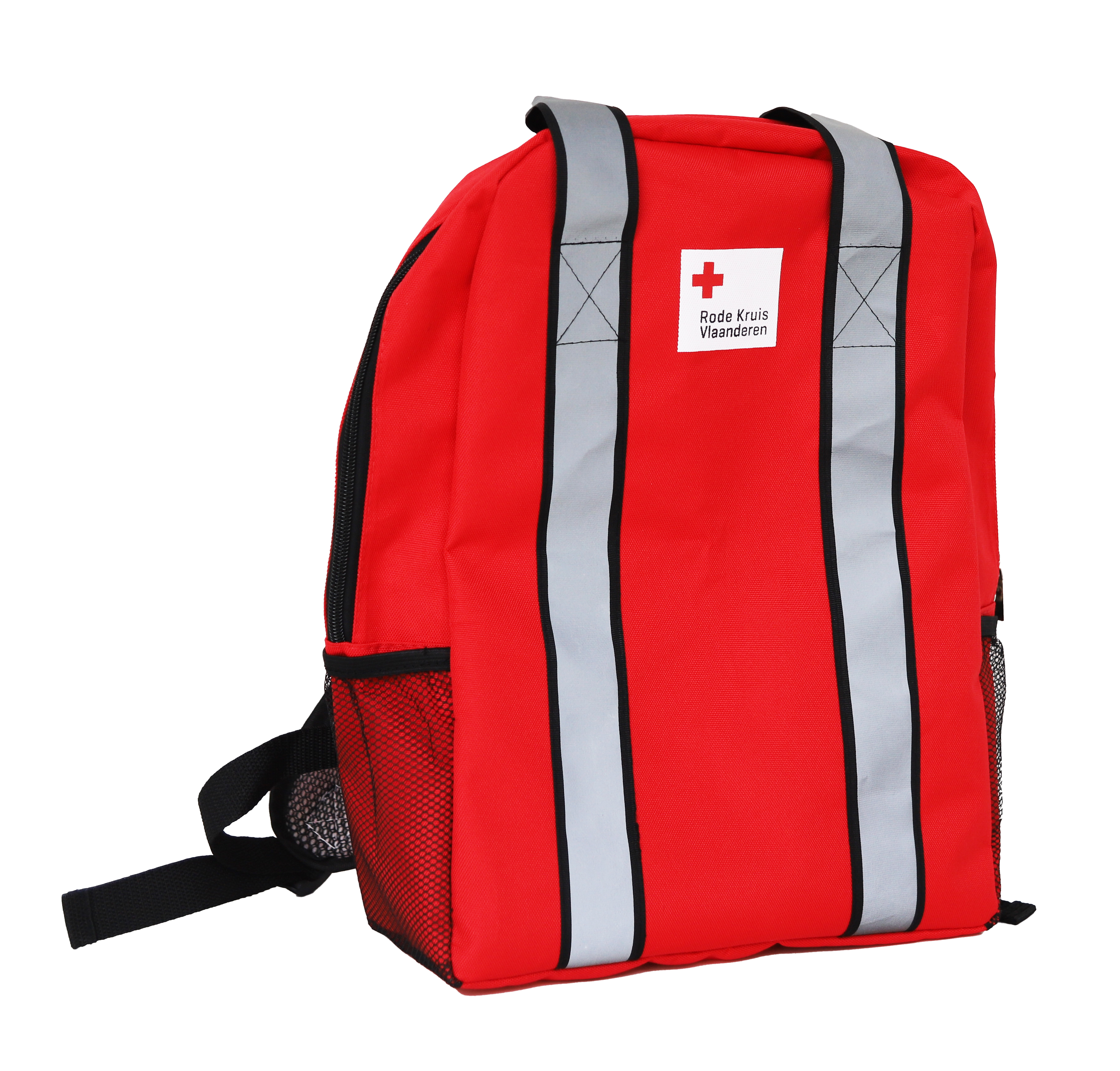
  • Backpack with reflective strips (28 x 38 x 12 cm). This backpack not only provides ample storage space for all items in the emergency kit, but also offers extra room for other essentials, such as water bottles, food, medication, and personal belongings. This allows you to efficiently carry all your necessary gear during an evacuation. The reflective strips ensure visibility in dark or chaotic conditions. 

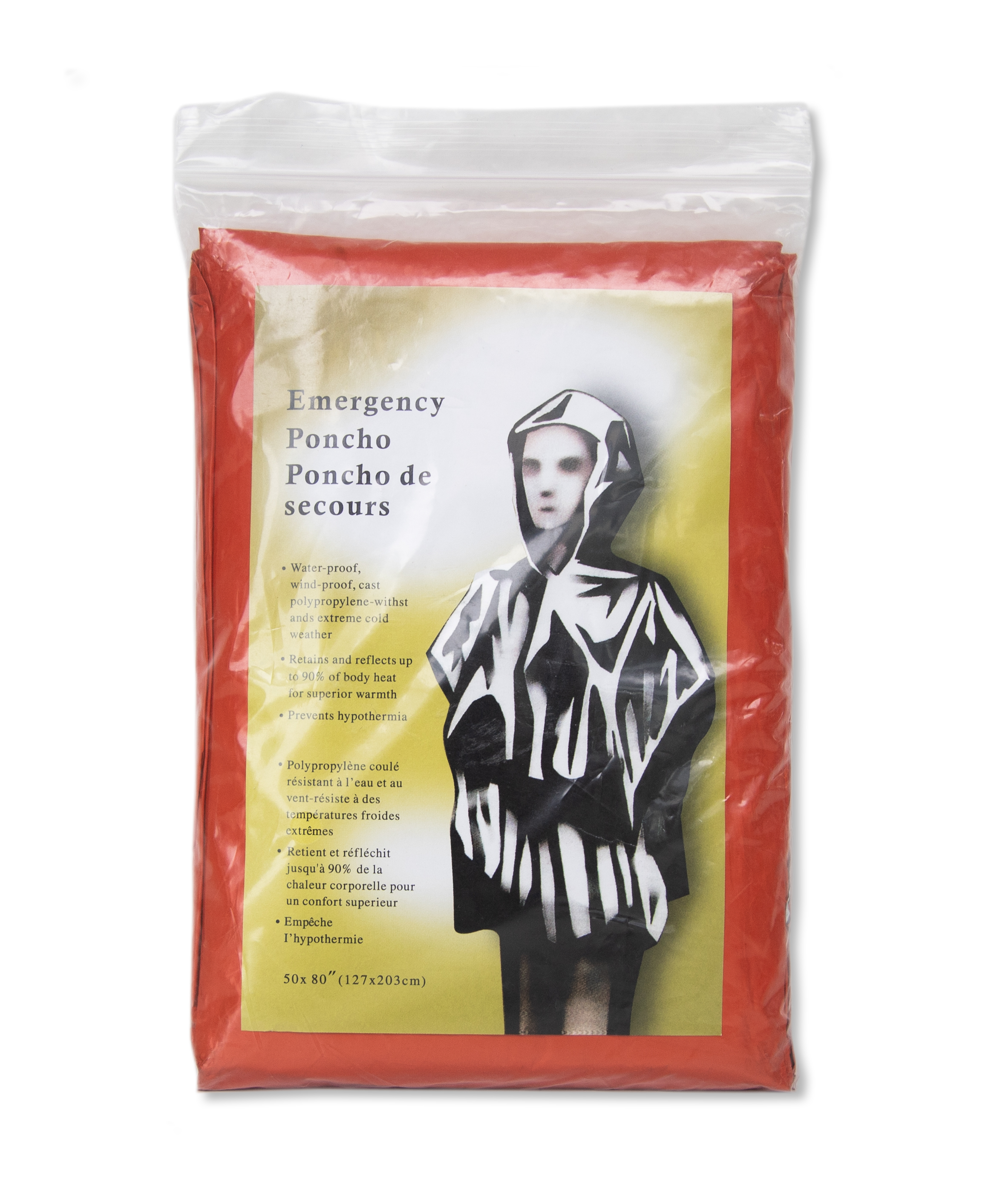
  • Emergency poncho. To keep yourself dry in rainy conditions and protect against hypothermia. The inside of the poncho has the same insulating effect as an aluminum blanket, which also helps retain body heat. 

Lighting & Communication

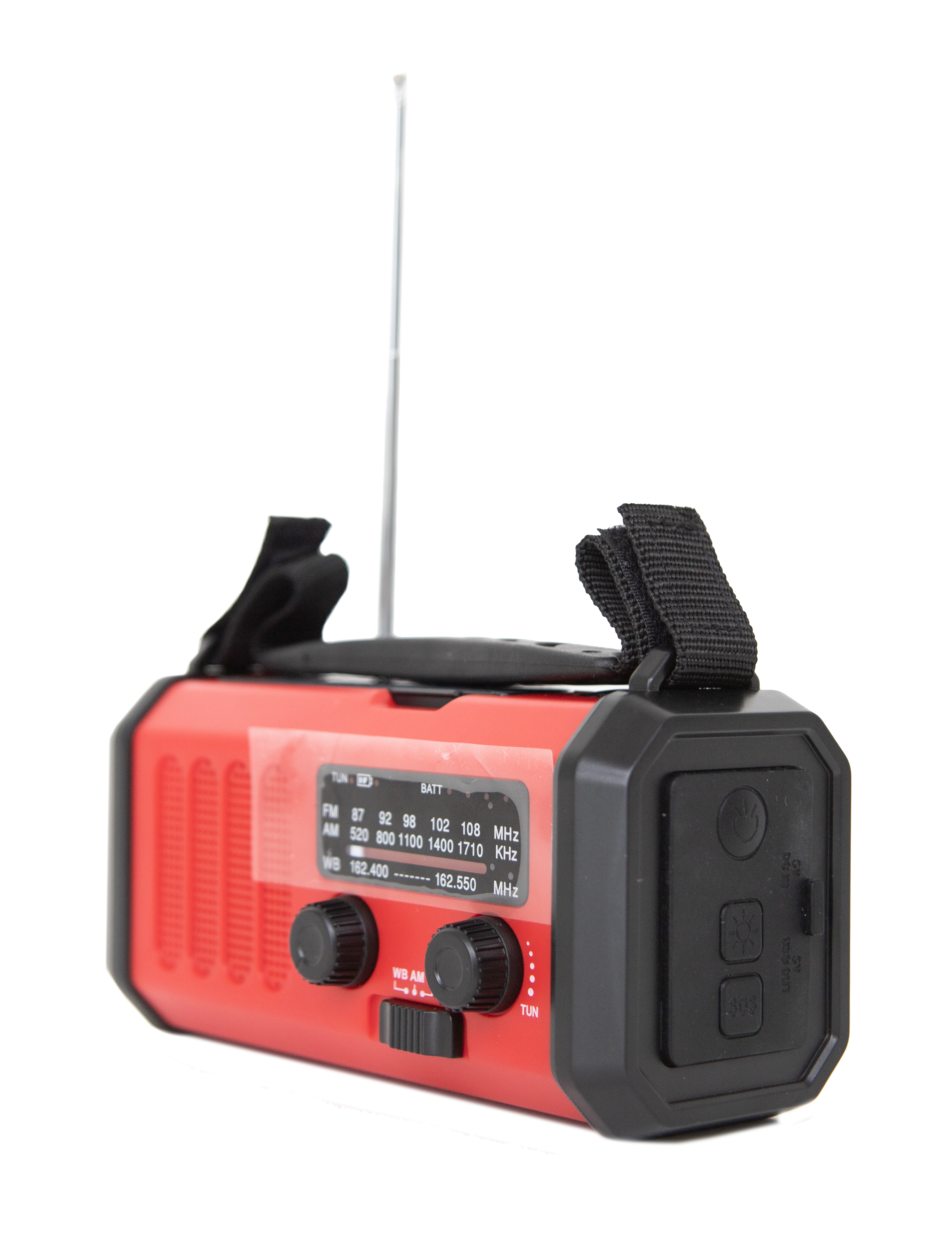
  • Emergency radio with solar power bank and rechargeable flashlight. Stay informed about important updates and ensure you have light, even in difficult conditions. This radio is equipped with a USB port for charging devices, a built-in audible SOS button, and a compass to determine your location. Additionally, you can manually activate the radio using a lever, ensuring you always have access to important radio broadcasts even without a power source. Solar power extends the battery life. Make sure your emergency radio is always fully charged.

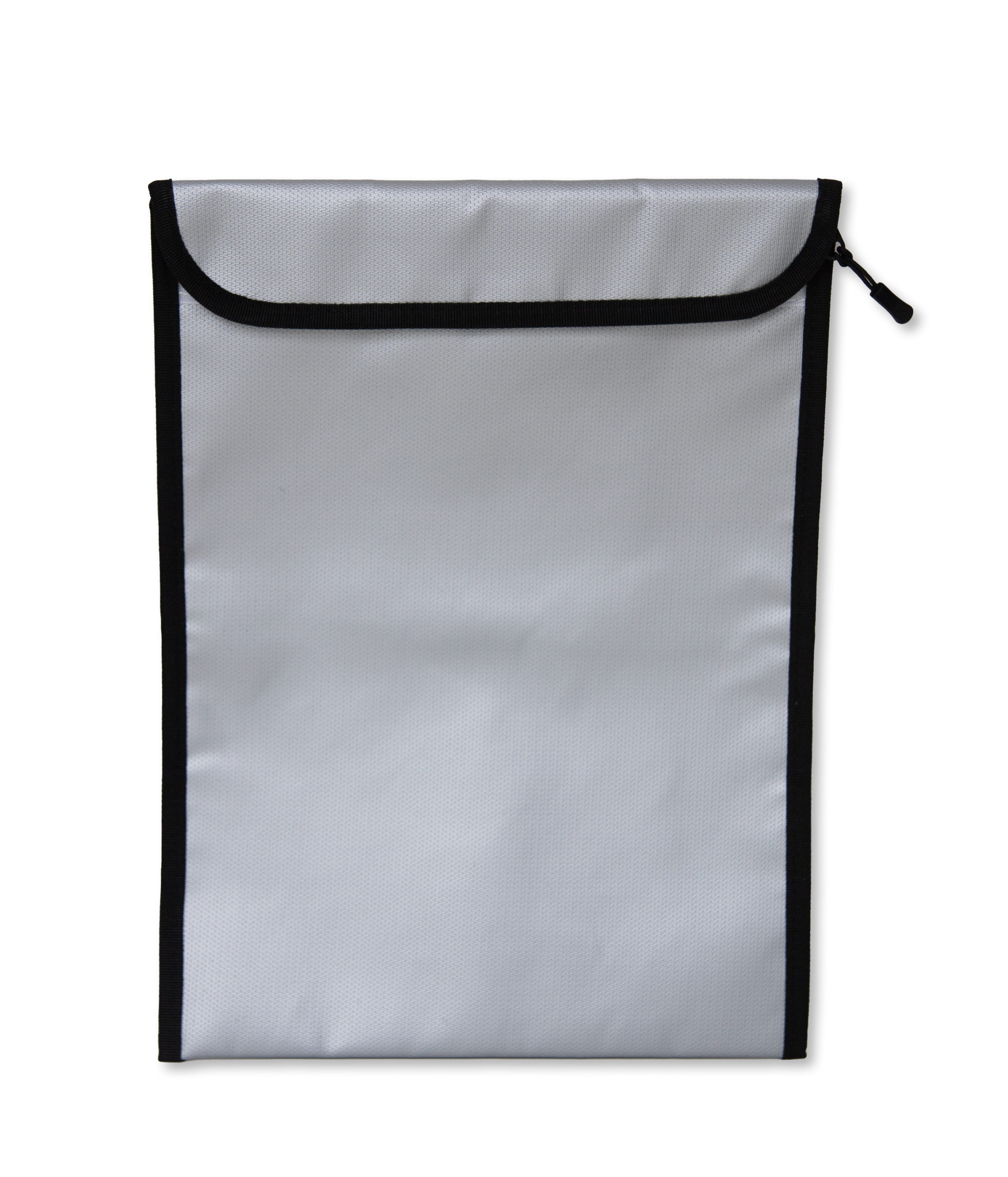
  • Document holder. This fire- and water-resistant document holder features a zipper and Velcroclosure for extra security (28 x 38 cm).

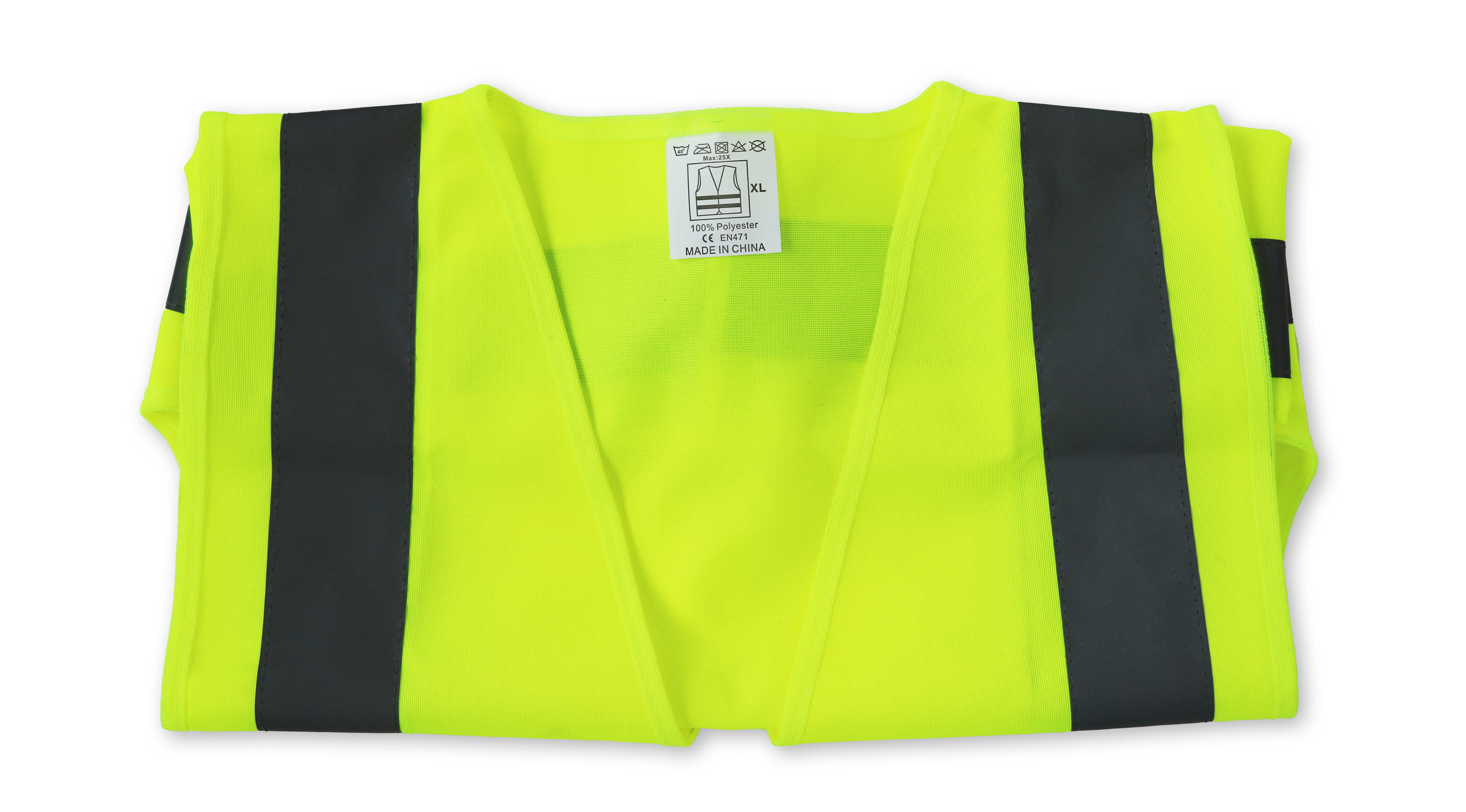
  • Reflective vest 

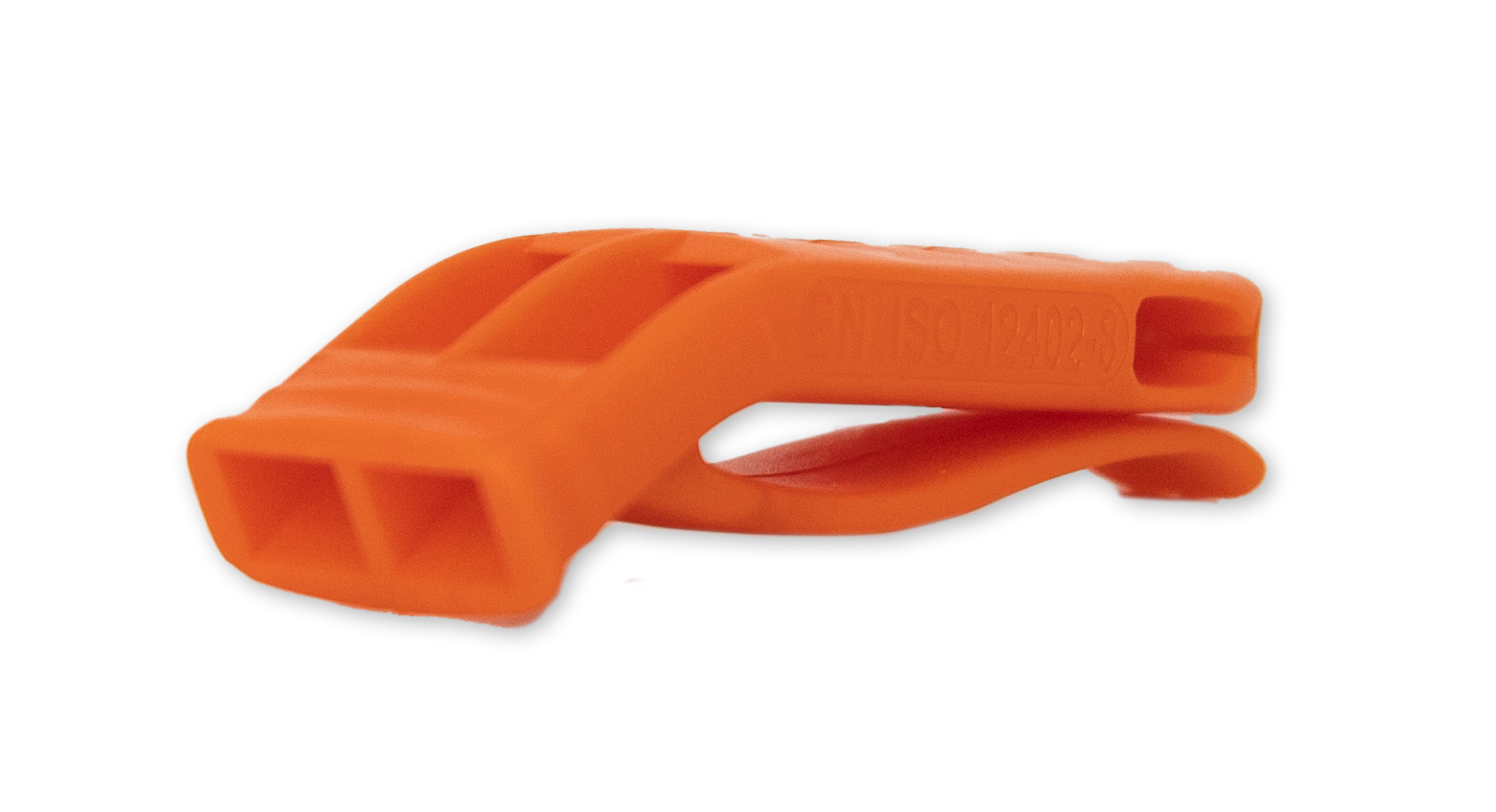
  • Emergency whistle. You can use this to warn people or quickly get their attention when you need help. 

  • Candle. BBurn time: 25 hours, does not drip (5 x 10 cm). In the event of a power outage, the candle can serve as emergency lighting. The candle can burn for up to 25 hours and does not drip, which reduces the risk of burns or damage to flammable surfaces.

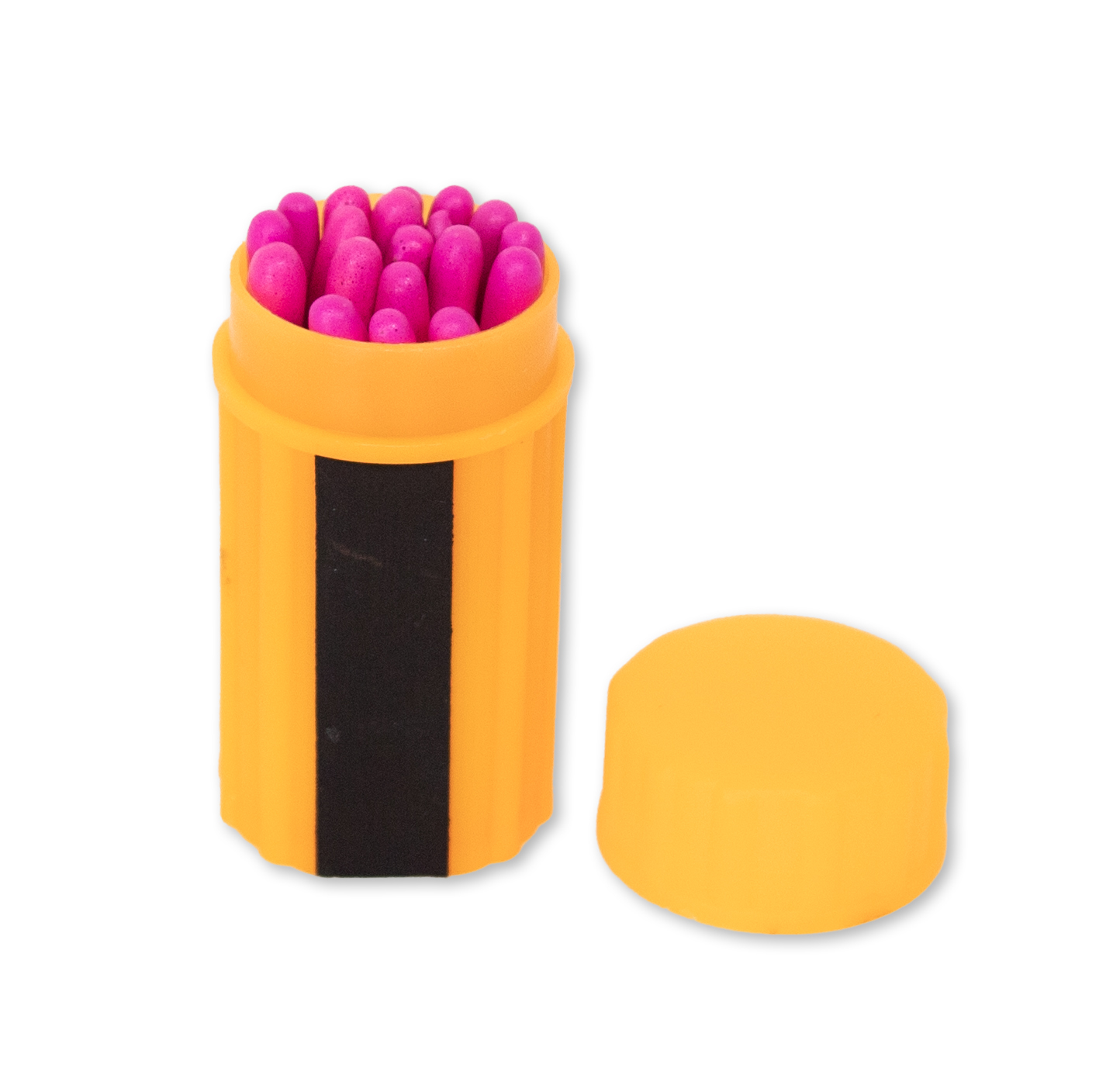
  • Waterproof matches: These matches continue to burn even after getting wet. Ideal for extreme weather conditions such as rain and strong winds. Thanks to their large, combustible heads, they burn longer than regular matches. 

What other items should you add to your emergency kit?

We recommend supplementing our emergency kit with additional items based on your (family) situation. Here are a few tips: 

  • Bottles of water (unopened)
  • Food with a long shelf life 
  • List of useful phone numbers
  • Essential medicines 
  • Important documents and cash (copies of insurance policies, ID cards, and driver’s licenses)
  • Personal items such as baby food, diapers, or pet food (if applicable)     
  • Personal hygiene items (toilet paper, toothpaste, toothbrush, soap, sanitary pads)  
  • Cell phone charger 
  • Warm clothing (thermal socks, gloves) 

Good to know

This emergency kit is designed for one person. Do you live with others or have a large family? If so, it’s a good idea to add extra items yourself. Tailor your kit to your family situation, health, and living environment. Consider, for example, extra emergency ponchos, water, food, or medications. 

Important: our extra tips for your emergency kit 

  • Place the emergency kit in an accessible location in your home, known to all family members. 
  • Store the package in a dry place, preferably in an elevated location. This reduces the risk of damage in the event of a flood. 
  • Check the contents of the package at regular intervals to ensure expiration dates. Replace used or expired items in a timely manner. Also check whether your first aid kit is still complete and restock it if necessary.
  • Test the emergency radio with the whole family and make sure it’s fully charged . That way, you can quickly consult the radio in an emergency without wasting any time. It is also advisable to test the emergency radio regularly, preferably at least once a year. When doing so, check the signal reception and the operation of the various functions, among other things. 

Additional tips and information

First Aid Tips for Emergencies

What should you do in the event of an accident or if someone suddenly feeling unwell ? You’ll find plenty of helpful first aid tips on our website.

Be sure to download our free first aid app as well.That way, you’ll always have clear instructions at your fingertips in an emergency. With the first aid app, you’ll know exactly what to do, from treating minor injuries to responding correctly in life-threatening situations such as cardiac arrest. You can also use the app offline to help someone.

Add your personal emergency plan

Good preparation starts with keeping track of the right information. We recommend that you National Crisis Center’s personal emergency plan and keeping it with your emergency kit. This document helps you quickly have the most important information at hand in case of an emergency: 

  • Number of people and pets in the home 
  • Anyone who needs extra help 
  • Contact Persons 
  • Location of important fixtures such as the gas valve or smoke detectors 

Keep the completed emergency plan in the fire- and water-resistant document holder included in the emergency kit. This ensures that this essential information remains protected. 

Download your personal emergency plan here

Natural hazards in Belgium

Belgium faces various natural hazards , each of which can affect your safety and living environment in its own way. These include floods, severe storms, prolonged heat waves, or even minor earthquakes. Each of these events requires proper preparation and vigilance. 

The The National Crisis Center has compiled an overview of all natural hazards that can occur in Belgium, including information on how to recognize these hazards and what measures you should take to protect yourself, your family, and your home. 

By being aware of the specific risks in your area, you can plan more effectively and avoid being caught off guard. We recommend that you review this information and incorporate it into your personal emergency plan. 

Do you have any questions?

Useful phone numbers

Photo © Joren De Weerdt.