All about giving plasma
What is blood plasma? Simple: a matter of survival. For a lot of patients. So are newborn babies. Can they count on you? Donating plasma takes barely an hour of your time. Every day we need plasma donors to save lives together. The advantage: from giving plasma you recover faster than from a blood donation. So you can do it more often.
- What is (blood) plasma? Your blood consists of 55 % of a yellow liquid: plasma. This in turn consists of 91.5% water and 8.5% dissolved substances such as proteins, sugars, fats, salts, hormones and vitamins.
- Why necessary. It is vital for people who have severe clotting disorders due to massive blood loss or blood diseases. Also for newborn babies with severe jaundice. And for the production of a lot of medications.
- Who is eligible to donate plasma? Complete the donor self-test and you'll know right away if you qualify.
- How often. You may donate plasma every 14 days. After a blood donation, you must wait at least 28 days before you can give plasma.
- Duration: The donation process takes just over 1 hour. The plasma collection itself about 30 to 45 minutes.
- Where? Since we need special equipment to collect plasma, this can only be done at one of our permanent donation centers. Some Red Cross chapters organize free rides to the donation center for people who want to donate plasma.
- How. Plasma is taken through a different device than blood. The biggest difference: you get your blood cells back when you give plasma. Here you can read step by step how it's done.
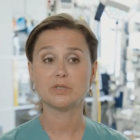
Lien explains how your plasma is then processed and tested
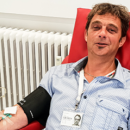
Doctors administered 8 bags of plasma to my wife during her treatment. I think it is important to help my fellow man. If that can be done with something as obvious as giving blood or plasma, all the easier.
Olivier
Plasma donor
Domine is a miracle
"When Domine arrived here by ambulance we all thought: this is not going to be good. He looked very bad, was completely blue and difficult to ventilate. But thanks to continuous administration of blood and plasma and surgeries, we still managed."