
Floods in Southern Africa
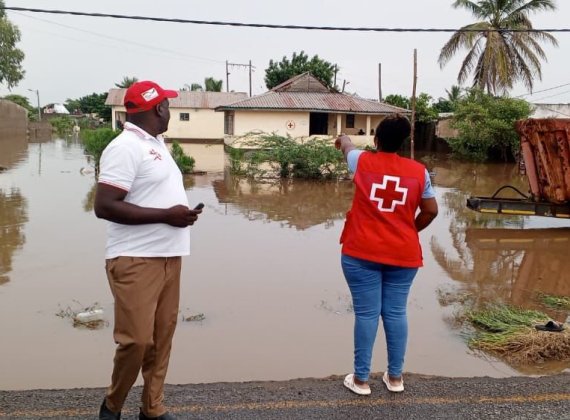
Southern Africa, including Mozambique, has been hit by the worst flooding in more than 20 years since late December. Due to exceptionally heavy rainfall and water releases from dams in Zimbabwe and South Africa, more than 600,000 people have already been affected in ten of the eleven provinces. This number is expected to rise further. Homes, farmland, and infrastructure lie in ruins: 72,000 homes, 2,300 km of roads, and four bridges have been damaged or destroyed.
More than 55,000 people are living in often overcrowded emergency shelters that do not meet minimum humanitarian standards, where the risk of cholera, malaria, and other diseases is rapidly increasing.
The economic impact is also enormous, with 142,000 hectares of farmland under water and heavy losses in livestock farming and fishing.
The hurricane season has only just begun, so the situation could get worse in the coming months.
How are Red Cross societies in the region responding to this disaster?
What does the Mozambican Red Cross do?
The Mozambican Red Cross is conducting evacuations and rescue missions, providing first aid, deploying ambulances and emergency response teams, and distributing emergency aid kits. The most urgent needs are drinking water, hygiene and sanitation, shelter, food, and protection against mosquitoes.
How does the Red Cross Flanders help?
Belgian Red Cross-Flanders Belgian Red Cross-Flanders Belgian Red Cross-Flanders its Emergency Relief Fund and making €100,000 available to support relief efforts in Mozambique. These funds will be channeled through the most appropriate Red Cross partners on the ground to ensure they are used efficiently and effectively.
The Belgian Red Cross-Flanders delegation Belgian Red Cross-Flanders Mozambique is closely monitoring the situation.
How can you help?
Financial support is most effective at this stage. Donations are welcome at BE53 0000 0000 5353, with the reference "Flooding in Southern Africa." Every contribution, large or small, helps save lives and address the most urgent needs.