Floods
What to Do in the Event of a Flood
Heavy rain, saturated soil, and rising river levels can cause water to suddenly flood your street, neighborhood, or home.
Not every wet street is necessarily a flood. Sometimes it’s just standing water, and sometimes it’s a real flood. By being well prepared, you’ll know what to do in both situations.
What's the difference?
Flooding in
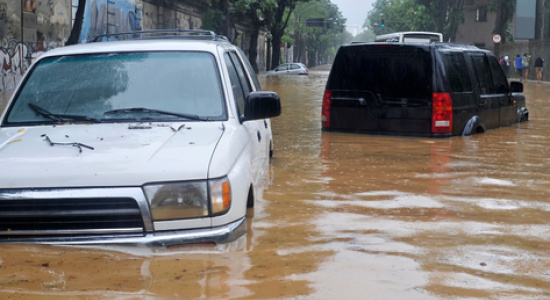
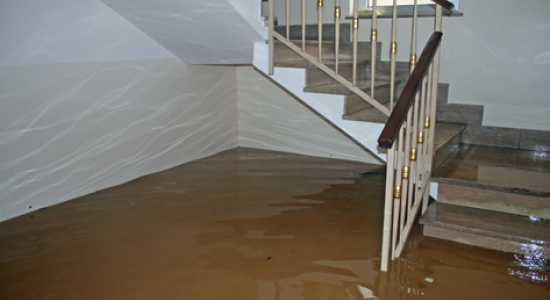
During heavy rain, streets can become flooded, basements can fill with water, and sewers can overflow. This is often a localized issue, and the main focus is on minimizing damage.
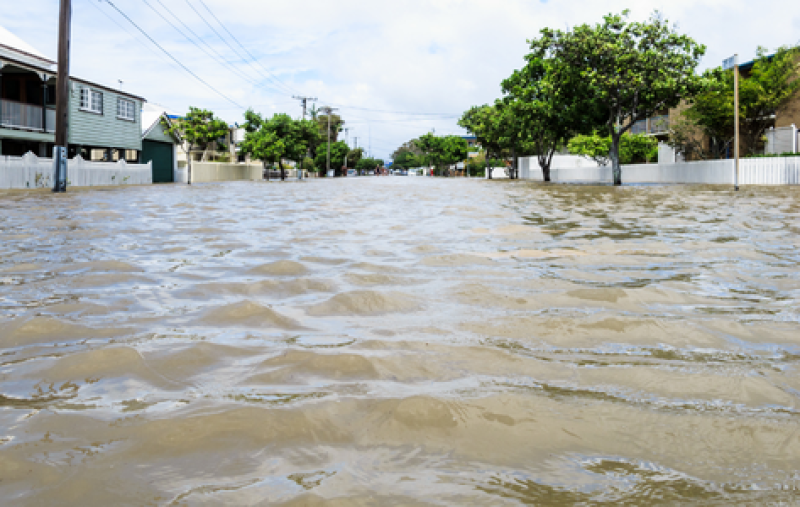
Flood A flood is a larger-scale and more dangerous event. Water from a river, the sea, or a lake flows onto land, for example, due to extremely high water levels or a levee breach. Your safety is the top priority, and evacuation may be necessary.
Well Prepared for a Flood
1. Be aware of the risks in your neighborhood
Check with your municipality or province to find out about flood-prone areas. Do you live near a river or canal? If so, it’s important to take extra precautions.
2. Make sure you receive BE-Alert
In the event of an emergency, the government will send a BE-Alert to your cell phone. This message will explain what is happening and what you should do. Sign up and make sure you can be reached.
3. Create a personal emergency plan
Write down important phone numbers, agree on a meeting place, think about escape routes, and assign tasks within your household. Keep this with your most important documents.
4. Put together your emergency kit
In an emergency, electricity, water, or gas may be cut off. With an emergency kit, you'll be prepared to get by for a few days. Do you already have one? Buy your emergency kit here.